Your next phone or laptop could cost 20–30% more because of AI chip shortages
12/05/2025 / By Cassie B.
- AI data centers are causing a severe global memory chip shortage.
- Manufacturers are prioritizing high-margin AI chips over consumer electronics.
- This shortage is drastically raising prices for smartphones, PCs, and storage.
- Consumer device makers warn of unprecedented cost increases and product limits.
- The chip crunch is expected to persist through at least 2027.
A silent crisis is gripping the global technology supply chain, and it’s one that threatens to make your next smartphone, laptop, or gaming PC significantly more expensive. The culprit is not a war or a natural disaster, but the voracious and unchecked appetite of artificial intelligence data centers. As tech giants like Microsoft and Google scramble to secure every available advanced memory chip to fuel their AI ambitions, manufacturers are abandoning the consumer market, creating a severe shortage that is sending prices for everyday electronics into the stratosphere. This is not a temporary blip but a fundamental rewiring of the global chip market with profound consequences for every consumer.
The anatomy of a shortage
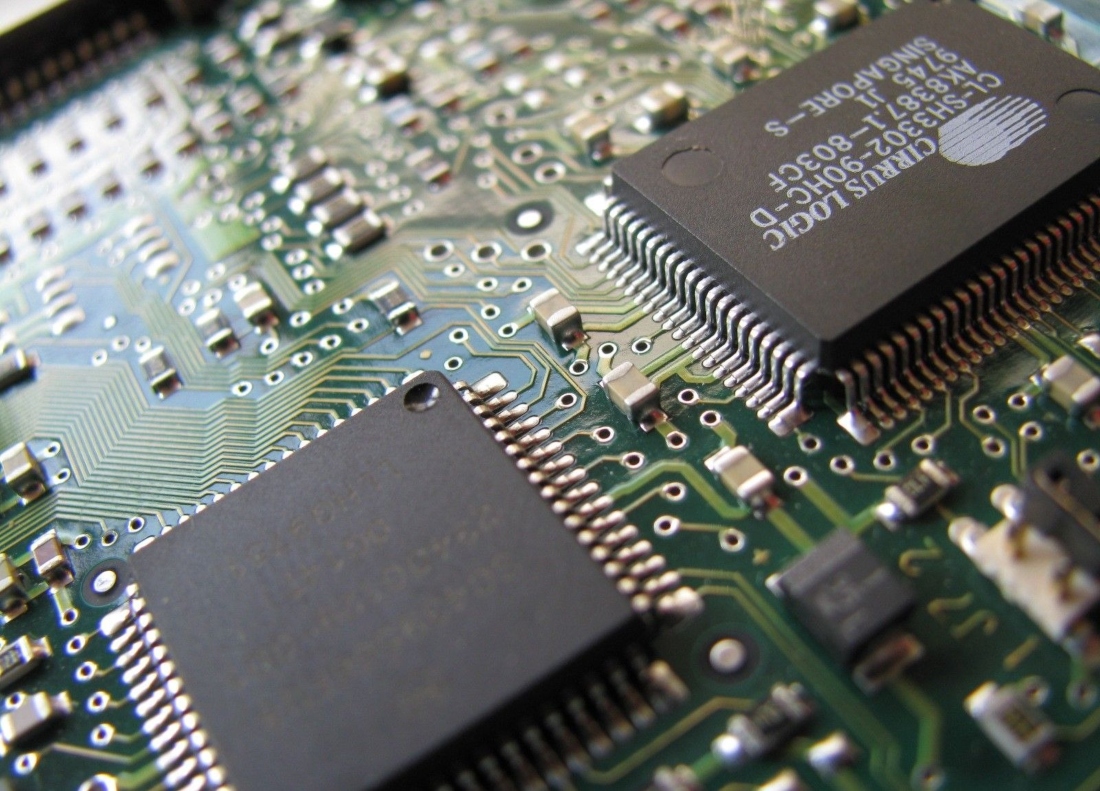
The world is running into a severe shortage of the memory chips that enable devices to store data and access it quickly. These components sit inside everything from smartphones and laptops to cars and cloud infrastructure. Supply is now tightening so sharply that prices are rising week to week. Retailers in parts of Asia have begun limiting sales of hard-disk drives to curb hoarding, while electronics brands warn that higher memory costs will inevitably feed into device prices. This squeeze is happening across both major memory families: the RAM in your devices and the storage chips in your SSDs.
What makes this crunch different from routine market cycles is a premium form of RAM called high-bandwidth memory, or HBM, built exclusively for powerful AI systems. The demand for HBM has created a domino effect, pulling the entire supply chain toward premium products and leaving the mass market in a lurch. Industry tracking shows costs have doubled in some segments, while spot prices for popular RAM modules are up roughly threefold this year. For consumers, that shift is already visible on shelves; compared with summer, many widely sold PC memory kits now cost 50% to 100% more.
Manufacturers choose AI over consumers
The reason for the price spike has a clear driver. AI data centers are buying memory at an unprecedented scale because AI servers need far more of it than ordinary systems. The three dominant memory makers – Samsung Electronics, SK Hynix, and Micron Technology – are responding by prioritizing HBM production. They are diverting their most advanced manufacturing lines toward these expensive, high-margin chips, which directly reduces the output of standard memory for phones, PCs, and consumer storage.
This strategic shift is so pronounced that Micron has decided to wind down its Crucial consumer memory line by early 2026, redirecting that output to higher-paying AI and data-center clients. The scramble for chips is now so intense that U.S. tech giants have reportedly been asking Micron for as much memory as it could ship, while Chinese players are pushing Samsung and SK Hynix for bigger allocations. Industry sources describe the mood simply as “everyone begging for supply.”
Consumers bear the brunt
Consumers are starting to feel the crunch directly through their everyday gadgets. Chinese smartphone makers Xiaomi and Realme have warned that memory costs are rising so quickly they may have to lift smartphone prices, especially in the low-to-mid range where margins are thin. Francis Wong, Realme India’s chief marketing officer, told Reuters the steep increases were “unprecedented since the advent of smartphones” and could force price hikes of 20% to 30%.
PC buyers and gamers are getting squeezed particularly hard. Tech outlets report that RAM prices have jumped so sharply that some common high-end 64GB kits now cost more than a game console, hovering around the $600 level in major markets. In Tokyo’s Akihabara electronics district, stores are imposing purchase limits on memory products to curb hoarding, with clerks noting that one-third of products were sold out and prices had sharply increased in recent weeks.
Analysts expect this shortage to persist, forecasting tight supply and elevated prices lasting at least through 2027. Building and scaling new memory plants and advanced packaging lines takes years, and current demand from AI data centers is still growing faster than output. SK Hynix has told analysts the memory shortfall would last through late 2027. This protracted shortage risks slowing AI-based productivity gains and could add inflationary pressure across the global tech market.
The memory chip crisis is an important lesson in resource allocation within a constrained global system. When corporate behemoths engage in an all-out arms race for the next generation of AI, the production lines that feed our daily tools and conveniences are deprioritized. The result is a hidden tax on technological progress, paid not by the trillion-dollar companies racing to build AI, but by everyday people at the checkout counter. It reveals a market where the needs of the few are actively reshaping the affordability and accessibility of technology for the many, a dynamic that promises to define the tech landscape for years to come.
Sources for this article include:
Submit a correction >>
Tagged Under:
AI, AI chips, Big Tech, computers, computing, dollar demise, energy supply, future tech, Glitch, globalism, inflation, information tech, RAM, risk, Smartphones, supply chain, technocrats
This article may contain statements that reflect the opinion of the author
RECENT NEWS & ARTICLES