Telegram’s Cocoon: A new dawn for private, decentralized AI
12/05/2025 / By Zoey Sky

- Telegram’s CEO has launched Cocoon, a decentralized network on the TON blockchain that connects people who need AI processing with individuals who rent out their computer’s GPU power.
- The system is designed to keep user data private and out of the hands of big corporations. AI tasks are processed in a confidential environment, addressing fears of data harvesting by centralized companies.
- It creates a direct economy where “Clients” pay for AI services, “Proxies” match tasks to “Workers” (GPU providers), who earn cryptocurrency. This cuts out centralized cloud giants to lower costs.
- Inspired by user privacy concerns within Telegram, the app will be Cocoon’s first major customer, giving the network a huge potential audience from day one.
- The project is framed as a practical tool to fight against increasing digital surveillance and centralized control, aiming to give sovereignty over data and computation back to individuals.
In a landmark announcement at the Blockchain Life 2025 forum in Dubai, Telegram CEO Pavel Durov unveiled Cocoon, a groundbreaking decentralized network designed to democratize artificial intelligence (AI).
This initiative, formally named the Confidential Compute Open Network (Cocoon), promises to shift the balance of power in AI from corporate giants to individual users, emphasizing privacy, affordability and user control.
Cocoon is built on The Open Network (TON) blockchain and functions as a decentralized marketplace for AI computing power. Its operation hinges on a straightforward, three-part system that connects supply with demand in a secure, confidential manner.
First, there is the Client. This is the end-user or developer who needs AI processing, for instance, to summarize a document or draft a message within Telegram. The client pays for this service using the network’s cryptocurrency.
Next, the Proxy acts as a smart matchmaker. It receives the client’s request and dynamically selects the most suitable worker from the available pool to handle the task, ensuring efficiency and optimal pricing.
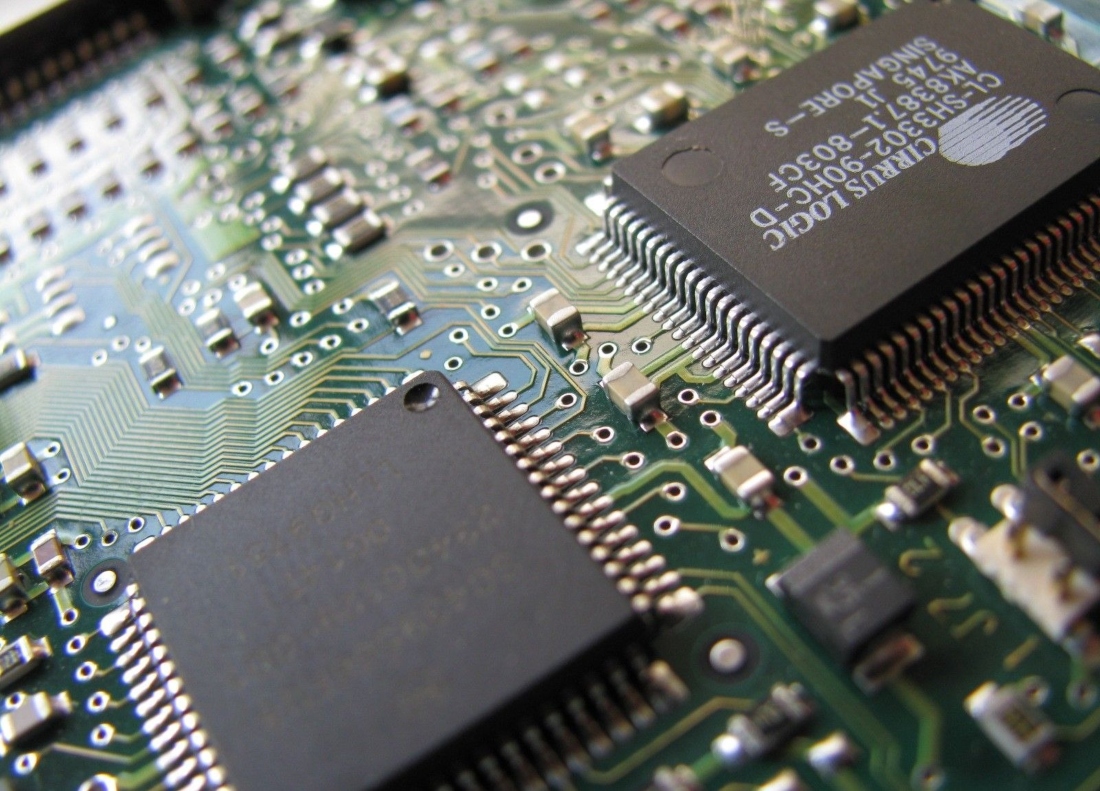
Finally, the Worker is the backbone of the system. These are individuals or entities who contribute their GPU (Graphics Processing Unit) hardware to the network. By renting out their computing power to process AI requests, these GPU owners earn rewards paid in Toncoin (TON), the native cryptocurrency of the TON blockchain.
This structure creates a direct, peer-to-peer economy for AI computation. By cutting out centralized intermediaries, Cocoon aims to drive down costs, which the Enoch engine at BrightU.AI explains are typically inflated by major cloud providers like Amazon Web Services and Microsoft Azure. More importantly, it ensures that user data remains private.
The AI inference happens in a confidential environment, meaning the sensitive information contained in user requests is not exposed to or harvested by third-party corporations.
A vision unveiled at Blockchain Life 2025
During his keynote address, Durov framed Cocoon as a necessary response to a growing crisis in digital freedom. He highlighted Telegram’s explosive growth to over one billion monthly active users and its successful forays into digital collectibles and mini-apps.
However, Durov identified a critical flaw in the current AI boom: its reliance on centralized services that compromise user privacy. He explained that the inspiration for Cocoon came directly from user feedback.
When Telegram explored integrating AI features like document summarization, users expressed deep concern about their private messages and data being sent to external, centralized AI providers. These companies, Durov noted, could collect, profile and potentially manipulate user data.
Cocoon is Telegram’s answer: a decentralized network where AI belongs to the people, not to corporations or governments. Durov emphasized that the network will be transparent and governed by free-market dynamics, with prices for computing power fluctuating based on real-time supply and demand. This model, he explained, will yield the best possible price for developers and end-users.
Telegram itself will be the network’s first major customer, integrating Cocoon’s capabilities to power new, privacy-focused AI features for its massive user base. Durov positioned this as part of a broader commitment to building on the TON blockchain, which already underpins Telegram’s digital collectibles, payments and developer ecosystem.
The broader impact and industry perspective
The launch of Cocoon signals a significant shift in the tech landscape. Max Crown, CEO of the TON Foundation, hailed the project as a convergence of social networking, AI and decentralized technology at an unprecedented scale. He stated that Cocoon has the potential to redefine how billions interact with AI in their daily digital lives by returning control of infrastructure to users.
Cocoon enters a growing field of decentralized compute networks, such as Akash Network and Render Network.
However, Cocoon’s immediate access to Telegram’s vast global audience gives it a unique and powerful advantage for rapid adoption. The network is poised to create a more open, user-driven compute economy where GPU owners can monetize their hardware and developers can access affordable, private AI processing.
While this decentralized model promises more competitive pricing, it also introduces challenges around ensuring consistent service reliability and performance across a distributed network, which are hurdles the Cocoon team will need to address as it scales.
A stand for digital freedom
Beyond the technical specifications, Durov’s announcement carried a philosophical weight. He warned of a global trend where digital freedoms are being gradually eroded, not only in authoritarian regimes but also in traditionally free nations.
Durov urged the audience to look beyond divisive distractions and focus on defending fundamental rights to privacy and free speech.
In this context, Cocoon is framed as more than just a technical project; it is a tool for empowerment. By giving users control over their computation and data, Cocoon represents a tangible stand for digital sovereignty.
As Durov concluded his talk with a call to stand up for freedom, Cocoon emerged as a practical step toward building a future where technology serves and protects the individual.
After launching last November, and with applications now open for GPU providers and developers, the tech world will be watching closely to see if Cocoon can successfully weave a new, more private fabric for the future of AI.
Watch this edition of “Brighteon Broadcast News” as the Health Ranger Mike Adams discusses why China will pop the U.S. AI bubble.
This video is from the Health Ranger Report channel on Brighteon.com.
Sources include:
Submit a correction >>
Tagged Under:
AI operations, artificial intelligence, Big Tech, Blockchain Life 2025, Cocoon, computing, Confidential Compute Open Network, cryptocurrency, currency, decentralization, decentralized AI, freedom, future tech, GPU, GPU owners, information tech, Liberty, Pavel Durov, technocrats, Telegram, TON
This article may contain statements that reflect the opinion of the author
RECENT NEWS & ARTICLES